Add Row
Add Element
cropper
update
Vibe Asheville
update
Add Element
  • Home
  • Featured
  • Experience
  • Attractions
  • Events
  • Local News
  • Categories
    • Asheville
    • History
    • Culture
    • Adventure
    • Travel
    • City
    • Nature
    • Art
    • Sports
June 29.2025
3 Minutes Read

Asheville Celebrates Passage of $500 Million Helene Recovery Package

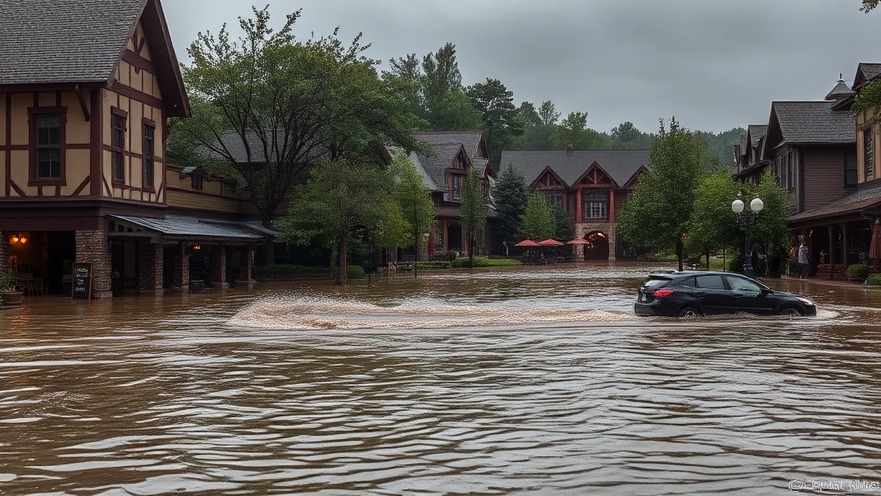
Hurricane Helene flooding Biltmore Village, showcasing NC General Assembly recovery efforts.


A New Hope for Asheville: The Helene Recovery Package

After months of tense negotiations, the North Carolina General Assembly has finally passed a significant recovery package for communities affected by Tropical Storm Helene. This bipartisan effort is poised to allocate $500 million in essential funding that aims to restore infrastructure and provide vital assistance to localities reeling from the devastating storm.

Understanding the urgent need for recovery in Asheville

The flooding caused by Helene was severe, particularly in Biltmore Village and surrounding areas. The Swannanoa and French Broad Rivers overflowed, leading to extensive damage to homes, roads, and local businesses. Lawmakers faced mounting pressure from constituents who needed immediate support.

In the wake of this disaster, state representatives recognized that an effective recovery strategy was critical not just for rebuilding but for ensuring the long-term resilience of Asheville’s infrastructure. This sentiment was echoed by Rep. Karl Gillespie, who emphasized the necessity of addressing the most pressing needs first, even if not all issues could be resolved in this initial package.

Bipartisan Collaboration: A Unique Approach

The unity expressed in the General Assembly, where every senator and representative voted in favor of the recovery bill, signals a rare moment of bipartisan cooperation. Initially, the Senate's recovery measure faced hurdles, but the urgency of the situation catalyzed swift action. The idea of filibuster-like tactics floated by Senate Democrats seems to have pushed the bill through, ensuring timely support reached the citizens of Asheville.

This collaborative effort is a reminder of the power of collective responsibility in times of crisis. Political leaders have set aside their differences to uplift their communities, illustrating how cooperation can lead to tangible outcomes. Their ability to find common ground for the greater good serves as a hopeful model for future legislative efforts.

Breakdown of the Key Funding Allocations

Within the approved $500 million package, a significant portion is allocated to North Carolina Emergency Management, emphasizing the importance of emergency preparedness and disaster response. They will receive approximately $208 million earmarked for federal disaster aid matching funds, which is pivotal for ensuring swift recovery operations.

The funding will also support crucial infrastructure projects, including renovations for public schools, state parks, and emergency services such as fire departments. Notably, some ticketed items like streamflow rehabilitation programs and agricultural crop loss assistance were successfully integrated back into the package, showing the adaptability and responsiveness of the elected officials to community needs.

The Road Ahead: Future Assistance and Challenges

While the passage of the recovery package is a significant step forward, many challenges still lie ahead. Local agencies will need to strategize on future funding and recovery efforts, as Rep. Gillespie pointed out, stating that this bill addresses immediate priorities but there will inevitably be additional needs down the line. The nature of disaster recovery often requires continuity of support, and citizens must remain engaged in the process, advocating for ongoing assistance.

This recovery initiative may serve not only as a remedy for those recently impacted but also as a blueprint for future disaster response strategies across other vulnerable regions in the state.

What Asheville Citizens Can Do

As residents of Asheville, staying informed and engaged with local governance is vital as recovery unfolds. Community participation can drive further funding and support initiatives. Attend town hall meetings, provide input on recovery priorities, and encourage local leaders to maintain and expand these recovery efforts.


The Helene recovery package represents not just a monetary lifeline but a collective movement toward resilience and rebuilding for Asheville’s future. Understanding the situation, remaining vigilant, and actively participating in the recovery discourse are essential for ensuring long-term stability in our community.


Experience

0 Comments

Write A Comment

*
*
Please complete the captcha to submit your comment.
Related Posts All Posts
04.16.2026

The Alarming Truth About Solitary Confinement in NC’s Juvenile Detention Centers

Update Unveiling the Dark Reality of North Carolina's Juvenile Detention Centers Recent investigations into North Carolina’s juvenile detention system reveal that a troubling practice, illegal solitary confinement, has persisted despite being banned since 2016. This comes as a shock to many, considering state officials consistently deny such practices occur. However, a report by Disability Rights North Carolina (DRNC) indicates otherwise, highlighting disturbing conditions that violate both the rights of detained youth and the standards expected of such facilities. Behind Closed Doors: The Impact of Solitary Confinement The DRNC's review, based on nearly 400 interviews across 14 juvenile centers, paints a stark picture of life inside these facilities. Conditions akin to solitary confinement—with youth often locked in their cells for over 22 hours a day—were reported. The psychological impact of prolonged confinement is well-documented, leading to severe mental health issues such as depression and suicidal thoughts among those subjected to such treatment. Facilities like the Madison County Juvenile Detention Center have faced scrutiny, resulting in its closure due to reported abuses, including pepper-spraying and extended isolation periods. A System in Crisis North Carolina's juvenile detention system, designed to rehabilitate rather than punish, finds itself under immense strain. Admissions are nearing record highs, with 2,876 youth entering detention in 2025 alone, doubling the average length of stay compared to 2015. This surge places significant pressure on facilities that already struggle with staffing shortages and inadequate resources. A staggering 52% of youth counselor positions remain unfilled, contributing to substandard conditions for the youth. Community Voices: The Need for Reform Among the parents of detained youth, there are growing calls for systemic change. Take Eileen, a mother whose son’s distressing experience in a Butner juvenile facility resonated with many who have had similar encounters. She described observing conditions that surpassed even her previous experiences in adult correctional facilities, underscoring a grave misalignment with the intended rehabilitative goals of juvenile detention. As the DRNC continues to advocate for improvements, Eileen and other families hope for a shift in perspective among lawmakers. Call to Action: What Can Be Done? These revelations raise urgent questions about the future of juvenile justice in North Carolina. With solid proposals from the state’s officials—including increased funding for staff and facilities—there is potential for real change. But for this vision to materialize, community engagement and active advocacy are crucial. It is essential for local citizens of Asheville and beyond to demand accountability and reform within the juvenile justice system. Advocate for the changes needed to ensure that no child is subjected to inhumane treatment and that every young person has access to education, mental health care, and a significant chance at rehabilitation.

04.15.2026

UNC System’s 90-Credit Degree Initiative: A Cheaper, Faster Path to Graduation

Update Exploring a New Path: The 90-Credit Degree ProposalIn an era where the time and cost associated with higher education have become significant concerns for students and parents alike, the University of North Carolina (UNC) System is weighing an innovative approach that could reshape the college landscape. The proposed 90-credit undergraduate degree would enable students to complete their education in three years, reducing their time and potential debt. This initiative echoes similar movements at various state and private colleges across the country, signaling a shift in how institutions view degree requirements.The Rationale Behind the ChangeUNC System Vice President for Academic Affairs, Dan Harrison, highlighted the ongoing debate surrounding the relevance of current credit-hour requirements for undergraduate degrees. Many traditional college programs demand 120 credits, often resulting in an extended time for students to graduate. As the college landscape evolves, the UNC System is looking to cater to the pressing needs of students in North Carolina, including a focus on reducing student debt and improving access for working adults.Proposals for these new 90-credit programs will prioritize areas with high workforce demand, including business, health professions, and technology. This proactive approach aims to align educational offerings with job market requirements, addressing gaps that result in degree completions falling short of industry needs. The drive to produce graduates equipped for today's job challenges reflects a broader trend among educational institutions aiming to prepare students for a rapidly changing economy.Expanding Opportunities: Attracting New StudentsOne of the system's goals is not only to introduce a more streamlined degree pathway but also to attract a diverse array of students. As Harrison notes, the aim is to expand the total number of students in the system rather than redirecting existing students from traditional programs. This initiative could attract those who might not have considered college or who were deterred by long and expensive degree requirements in the past. The inclusion of a 90-credit degree could empower non-traditional students, those balancing work and studies, and recent high school graduates eager to enter the workforce sooner.A National Context: Following National TrendsNorth Carolina's consideration of a shorter degree program aligns with national trends where universities are increasingly looking to better serve their students. States like Massachusetts have already approved similar proposals, demonstrating a growing acceptance of the need for flexibility in degree offerings. These changes may signify an educational revolution, one that's responsive to the needs of both students and the evolving job market.The Road Ahead: Keeping Quality in FocusDespite the push for expedited undergraduate programs, educational leaders are mindful of the necessity to maintain the quality and integrity of the education provided. Any new model will need to ensure that it preserves the intellectual enrichment that defines a UNC education, ensuring that students neither miss out on critical content nor diminish their learning experience for the sake of speed.Conclusion: A Call to Engage with Your EducationIf you are a local student or a parent considering college options, this initiative is an opportunity to reflect on what education means for your future. By shifting the focus from lengthy degree pathways to more flexible options, the UNC System is not just considering a new structure but is reimagining the purpose of a college education itself. Engage with your community, discuss these options, and consider how they could benefit you or your family in the pursuit of higher education.

04.14.2026

Ruling Challenges Federal Forest Plan in North Carolina: What’s Next for Asheville?

Update The Battle for Our National Forests: A Turning Point for the Pisgah and NantahalaIn a significant legal ruling on March 31, 2026, the future of the Nantahala and Pisgah National Forest management plan has been thrown into uncertainty. The U.S. District Court found that the U.S. Forest Service's reliance on flawed biological analysis has put the lives of at least four endangered bat species at risk. As the heart of Western North Carolina’s natural beauty, home to diverse flora and fauna, this ruling highlights an escalating tension between conservation efforts and resource management in the region.Understanding the Legal FalloutThe court's decision effectively invalidates the forest management plan finalized in February 2023. This plan had proposed a drastic increase in timber harvesting, which was met with opposition from conservation organizations. They argued that the plan would lead to the degradation of essential habitats for critically endangered bat species, such as the northern long-eared and the Indiana bats. “The forest plan process has been going on for more than a decade,” remarked Spencer Scheidt of the Southern Environmental Law Center (SELC), who labeled the ruling a "tremendous victory" for conservationists.Ecological Implications of Increased LoggingWith forest plans often guiding land-use for decades, the decision underscores the importance of accurate ecological assessments. The original analysis neglected critical factors such as climate change impacts, which further jeopardized the bats' populations. The SELC initiated the lawsuit on behalf of several conservation groups, including the Sierra Club and Defenders of Wildlife, after issuing a Notice of Intent to Sue in July 2023. The concerns they raised were significant: would logging increase the extinction risk of these species by disrupting their habitats?A Vision for Sustainable ForestryIn light of the recent ruling, the Forest Service will likely revert to an older plan established in 1994, which allows for safer logging practices. While it does not go as far as some might wish in terms of conservation efforts, it represents a better balance between timber needs and habitat protection compared to the 2023 framework. Going forward, this could mean creating a new plan that involves collaborative efforts with various stakeholders, including conservationists, local communities, and the timber industry. A fresh approach ensures a more balanced representation of environmental and economic interests.Future Directions: A Call for CollaborationThis ruling serves not just as a legal verdict but as an opportunity for all parties involved to come together. Spencer Scheidt articulated a vision of collaboration, emphasizing that the agency must engage with previously sidelined voices. This collaborative spirit could lead to a more robust plan that honors the intricate relationships within these ecosystems and reflects the values of Asheville’s citizens who treasure their natural surroundings.The Road AheadThe ruling indeed marks a new chapter in the management of North Carolina’s national forests. Not only does it challenge the logging-centric approach of the recent plan, but it also emphasizes the importance of ecological integrity, thriving wildlife populations, and community involvement in planning decisions. For local citizens of Asheville and environmental advocates alike, this moment can be viewed as a catalyst for more profound changes in how we manage our precious natural resources.

Terms of Service

Privacy Policy

Core Modal Title

Sorry, no results found

You Might Find These Articles Interesting

T
Please Check Your Email
We Will Be Following Up Shortly
*
*
*